For most healthy adults, short-term and low-dose melatonin use appears to be reasonably safe based on current research. The honest caveat is that long-term, multi-year safety data in adults is more limited than its widespread, casual use might suggest — it’s a hormone, not just an herbal extract, and that’s worth taking seriously even though it’s sold over-the-counter in the US.
Melatonin is often treated as a harmless bedtime habit because it’s sold next to vitamins in US pharmacies. That packaging doesn’t change what it actually is: a hormone your body produces naturally, which changes how it’s worth thinking about for regular, long-term use.
What the Research Actually Supports
Short-term use has a reasonably solid evidence base. Long-term use is where the research gets thinner than most people expect.
Clinical studies on melatonin tend to run for weeks rather than years, and generally support it as a reasonable option for short-term sleep-onset difficulty, jet lag, and shift-work sleep issues in adults. Multi-year safety data — the kind that would tell you with confidence what happens after taking it nightly for five or ten years — is considerably more limited. That’s not the same as evidence of harm; it mostly reflects how research funding and study design work for a widely available, cheap supplement. It does mean “long-term safety” claims in either direction (completely safe, or secretly dangerous) go beyond what’s currently well established.
Does It Suppress Your Natural Production?
This is one of the more common concerns, and it’s reasonable to ask. At typical low doses, melatonin hasn’t been clearly shown to shut down your body’s own production the way external steroid hormones can suppress natural hormone output. That said, the research specifically on very long-term, nightly use and its effect on your own melatonin production is limited enough that “it definitely doesn’t affect your natural production” would be overstating the evidence too. A reasonable middle ground: occasional breaks from nightly use are a low-cost way to hedge against an effect that isn’t fully ruled out.
Realistic Side Effects
Common, Usually Mild
- Next-day grogginess, especially at higher doses
- Headache
- Vivid or unusual dreams
- Mild dizziness
Worth a Doctor’s Input
- Pregnancy or breastfeeding
- Autoimmune conditions
- Blood thinners or diabetes medication
- Children (dosing is different from adults)
Why Dose Matters More Than Most People Realize
Many U.S. melatonin products use doses well above what sleep research actually tested.
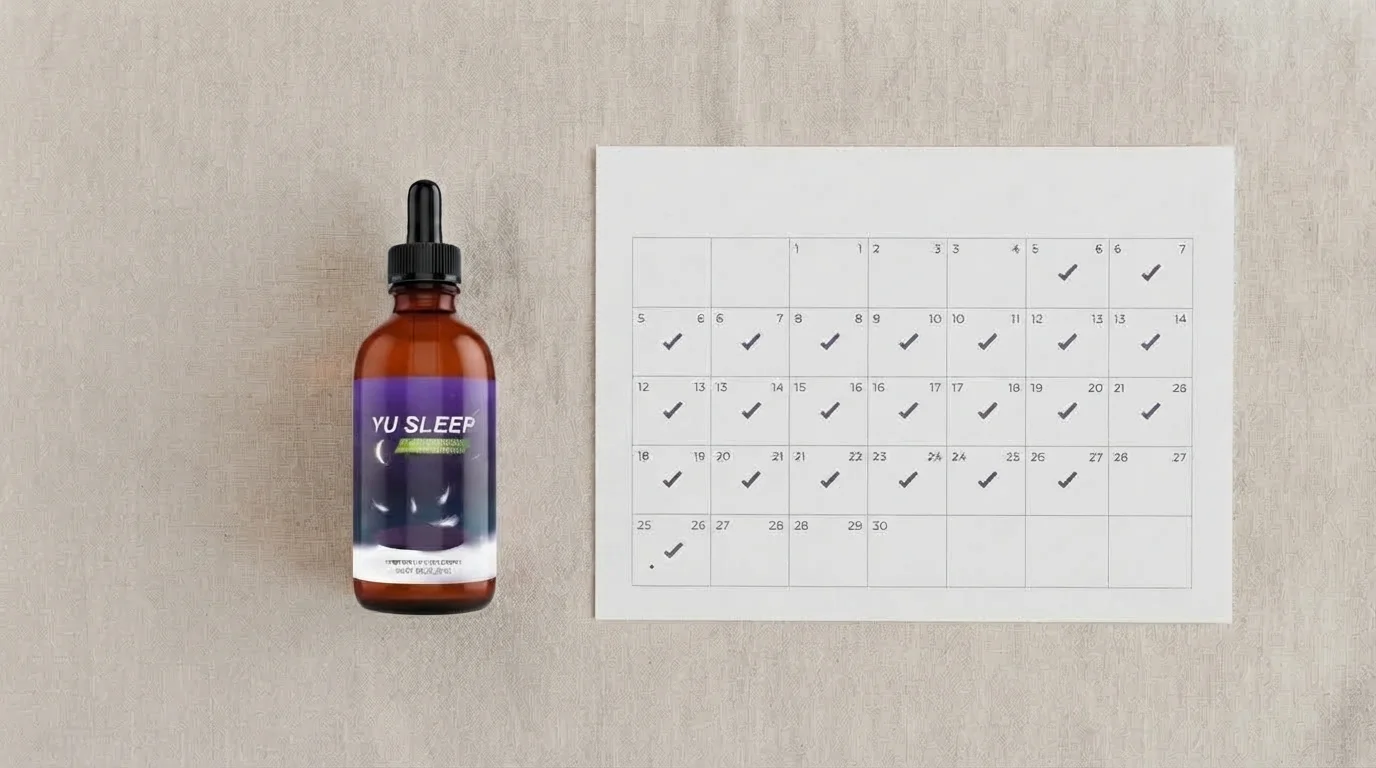
A lot of the clinical research supporting melatonin’s effectiveness used doses in the 0.5–3mg range, while many over-the-counter products in the US are sold at 5–10mg — sometimes more. Higher doses aren’t necessarily more effective for falling asleep and are more associated with next-day grogginess. This is part of why some newer products, including Yu Sleep (0.9mg), have moved toward a lower-dose approach — see our low-dose vs. high-dose melatonin comparison for the fuller picture.
A Regulatory Quirk Worth Knowing
In the United States, melatonin is sold as a dietary supplement with minimal pre-market regulation. In the UK and much of the European Union, it’s classified as a medicine and generally requires a prescription. This difference reflects each regulator’s own framework and risk tolerance, not necessarily a fundamental disagreement about the underlying safety data — but it’s a useful reminder that “available without a prescription” isn’t the same as “risk-free,” since the two regulatory approaches reach different conclusions from similar evidence.
Considering a Low-Dose Option?
We currently point readers to Yu Sleep’s official checkout page. Intended for readers in the US, Canada & UK.
See Current Pricing →Frequently Asked Questions
Is it safe to take melatonin every night for months?
Short-term and occasional use of low-dose melatonin is generally considered low-risk for healthy adults. Long-term, multi-year data in adults is more limited than many people assume, so if you’ve been taking it nightly for months, it’s reasonable to discuss it with a doctor and consider whether you still need it.
Does melatonin stop your body from making its own?
The evidence here is mixed and not fully settled. Unlike some hormones, melatonin supplementation at low doses hasn’t been clearly shown to suppress the body’s natural production the way, for example, external steroids can suppress natural hormone production — but higher doses and very long-term use are less well studied, so some caution is reasonable.
Why is melatonin available over-the-counter in the US but prescription-only elsewhere?
Regulatory classification differs by country based on each regulator’s own framework, not necessarily on different safety data. In the US, melatonin is sold as a dietary supplement; in countries like the UK and much of the EU, it’s regulated as a medicine requiring a prescription.