Honest Guides to Natural Sleep Supplements
Ingredient-first breakdowns of natural sleep supplements, with no miracle claims. We tell you what's in the bottle, what the research supports, and what we couldn't verify.
Already know Yu Sleep? Go straight to the official checkout (affiliate link)
Start With the Questions People Ask Most
Four guides on Yu Sleep, written to help you decide, not to sell you on it.
Is Yu Sleep a Scam or Legit?
Real ingredients, but an unverifiable "study" and a common name mix-up. The honest breakdown.
Read the guide →
Yu Sleep Reviews: What We Found
Why most "reviews" online are copy-paste, and where to find opinions tied to a real purchase.
Read the guide →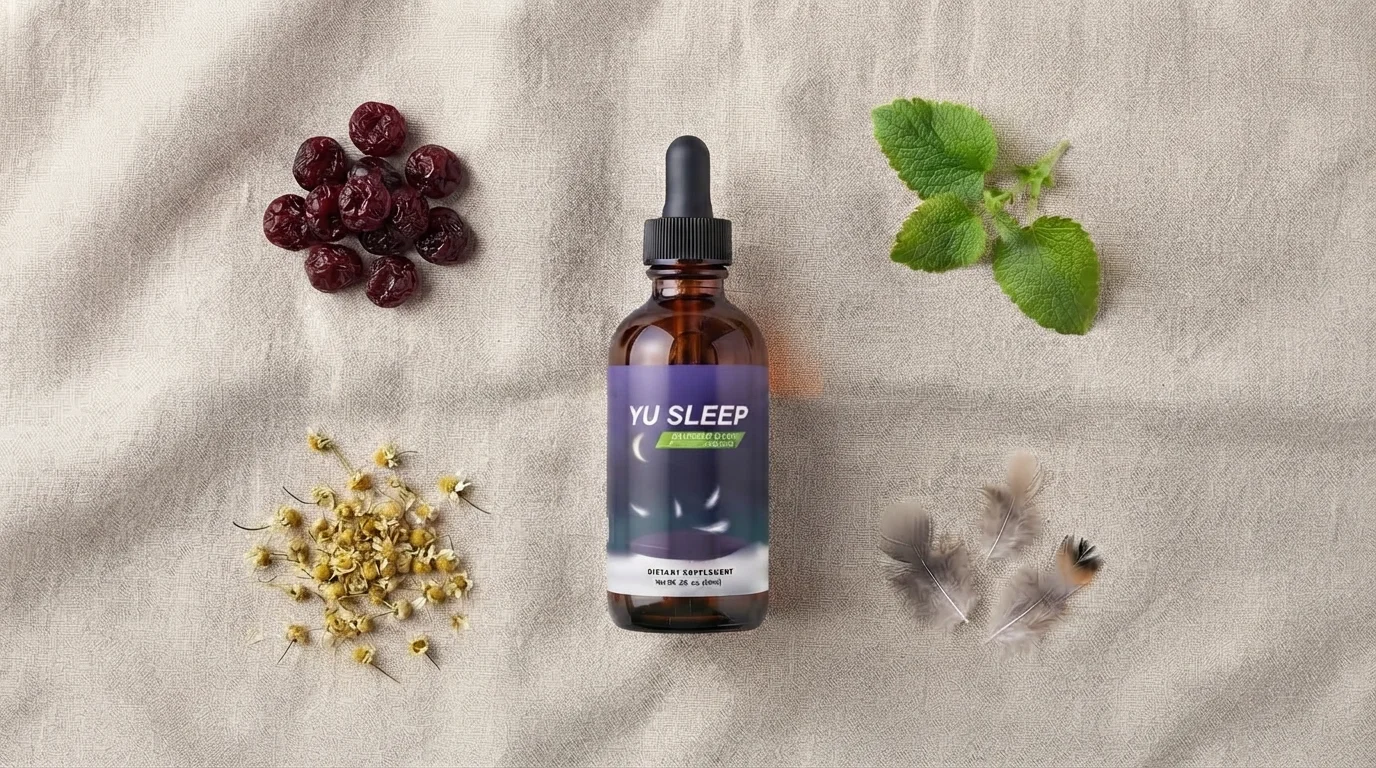
What's Actually Inside
Ten ingredients, one disclosed dose. What each does and how strong the evidence is.
Read the guide →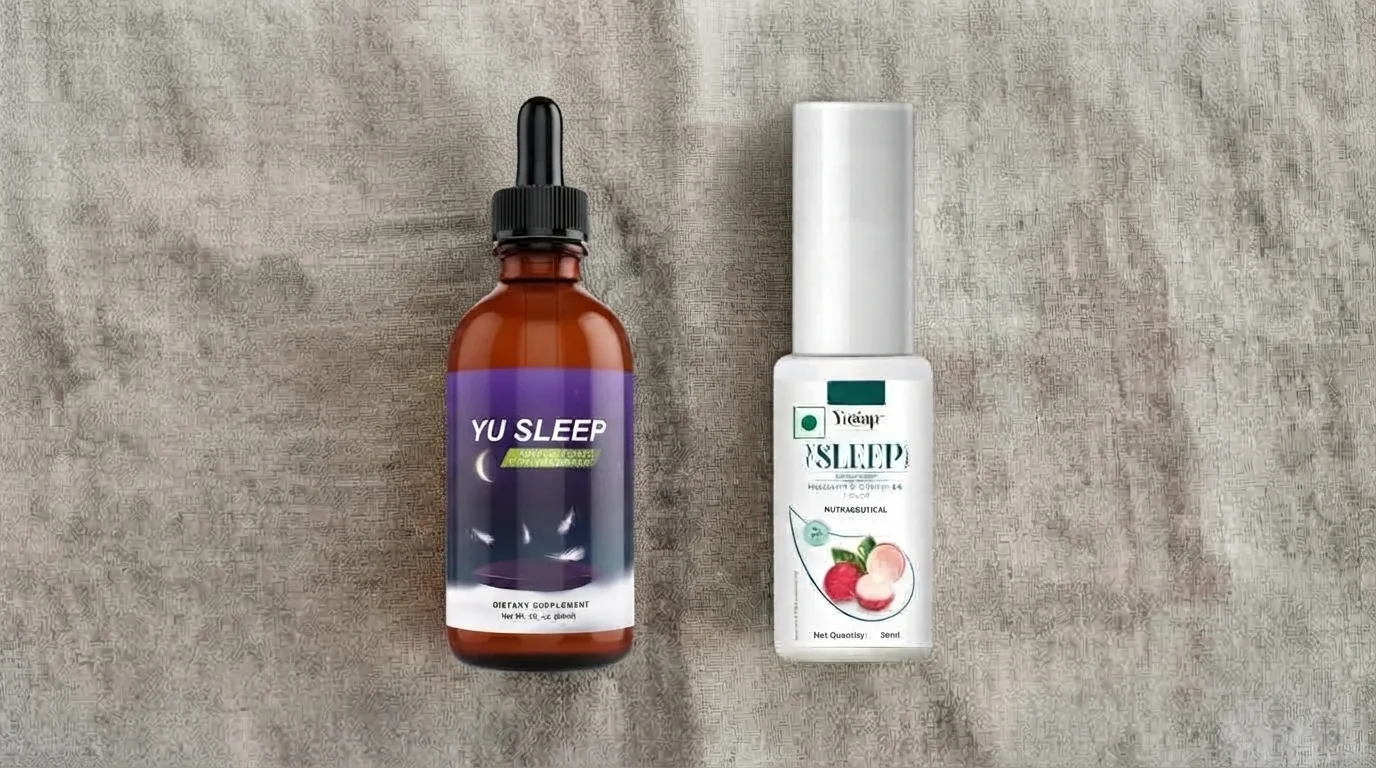
Yu Sleep vs. YuGap
Two different products from two different companies with confusingly similar names.
Read the guide →Sleep Supplement Basics, Answered Directly
Short, plain answers to the questions that come up before anyone buys anything.
What does low-dose melatonin actually do?
Melatonin is the hormone that signals nighttime to your body. Research suggests smaller doses, often around 0.5–1mg, can help some people fall asleep sooner. Higher doses aren't always more effective and can cause next-day drowsiness for some.
Does magnesium help you sleep?
The evidence is mixed. Low magnesium is linked to poorer sleep in some studies, and supplementing helps most clearly in people who are actually low. It's not a guaranteed sleep aid for everyone.
Are liquid sleep supplements better than capsules?
Liquids may absorb faster for some ingredients, but precise claims like "99% absorption vs. 22%" are rarely backed by independent data. Treat exact-percentage claims as marketing until a source is shown.
Is it safe to take one every night?
For most healthy adults, short-term use of common ingredients like low-dose melatonin is generally considered low-risk, but long-term nightly use is less studied. If you take medication, are pregnant, or have a health condition, check with a doctor or pharmacist first.
5 Things to Check Before Buying Any Sleep Supplement
This applies to Yu Sleep and to every other product on the shelf.
-
Are the doses disclosed?
"Proprietary blends" can hide token amounts. A real supplement facts panel lists each ingredient in milligrams.
-
Is there independent testing?
Look for third-party verification such as USP or NSF seals, not just "lab tested" wording.
-
Does it interact with your medication?
Ingredients like 5-HTP and melatonin have known interaction considerations. Ask a pharmacist.
-
Is the return policy specific?
You want a clear window, clear conditions, and a real way to contact support.
-
Can you verify the research it cites?
A real citation names the study, journal, and authors. "Clinical study" with no source doesn't count.
Ready for the Official Site?
Read our guides first, then check current pricing and terms on the official page. We earn a commission if you buy through this link. Our links are intended for readers in:
Availability, shipping times, and pricing can differ in other countries, so confirm them on the official page before ordering. Prices there are listed in US dollars at the time of writing.
Frequently Asked Questions
About this site and about sleep supplements in general.
Is this site run by the makers of Yu Sleep?
No. This site is an independent publisher, not operated by the maker of Yu Sleep. We earn a commission if you buy through our links, which is why our affiliate disclosure appears on every page.
Do you recommend a specific sleep supplement?
We currently link to Yu Sleep's official checkout because it's the product our guides cover in detail, and we earn a commission on purchases made through that link. That is not a claim that it's the best option for everyone. Our ingredient and scam-or-legit guides explain what we could and couldn't verify.
Can a supplement fix chronic insomnia?
Supplements are not a treatment for insomnia disorders. If trouble sleeping lasts more than a few weeks or affects your daytime functioning, talk to a doctor. Frequent night waking can also have causes such as sleep apnea that a supplement won't address.
Does Yu Sleep ship outside the US, Canada, and the UK?
Our links are intended for readers in the US, Canada, and the UK. The sales page says orders outside the US can take considerably longer to arrive, but availability varies by country, so check the official page for your location before ordering.